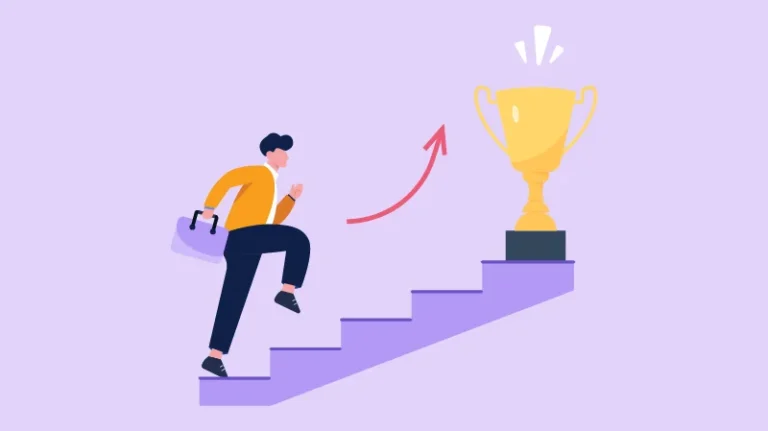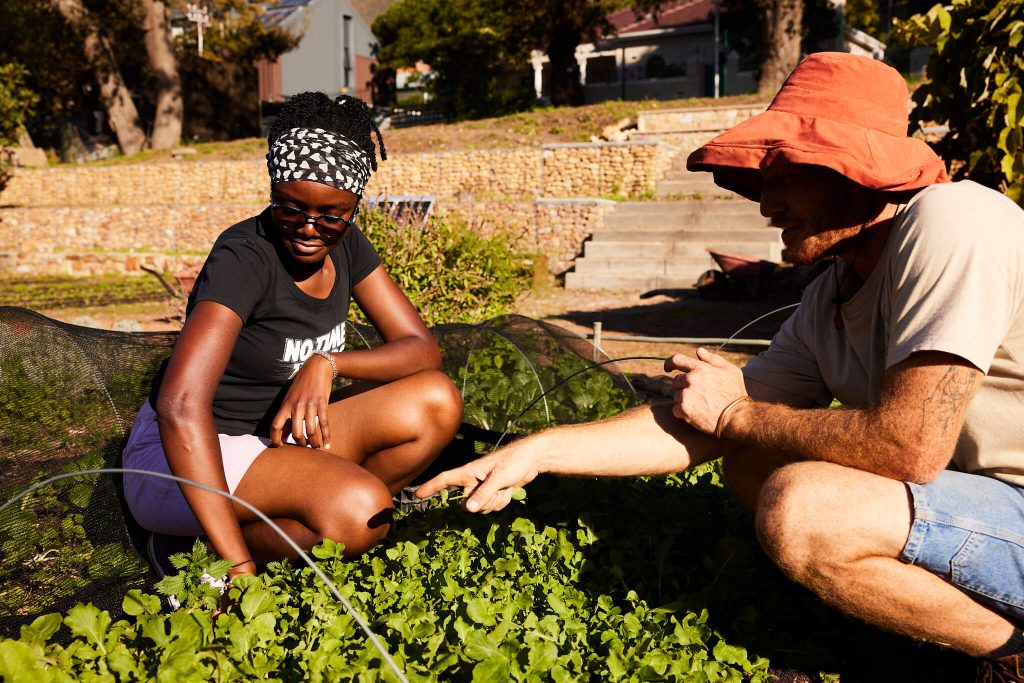
Education is often associated with schools, colleges, and universities, but genuine learning continues long after formal education ends. Every conversation, workplace challenge, personal experience, and new opportunity provides valuable lessons that shape knowledge and personal growth. While classrooms establish important foundations, real world experiences expand understanding in ways that textbooks alone cannot.
The ability to continue learning throughout life has become one of the most valuable qualities in today’s rapidly changing world. Individuals who remain curious, adaptable, and open to new ideas are better prepared to navigate both personal and professional challenges. Learning beyond the classroom creates confidence, encourages innovation, and supports lifelong success.
Everyday Experiences Become Powerful Teachers
Daily life constantly presents opportunities to develop new skills and broaden perspectives. Managing responsibilities, solving unexpected problems, working with different people, and adapting to changing situations all contribute to continuous learning.
Unlike structured education, everyday experiences often require immediate application of knowledge. This practical learning helps individuals develop critical thinking, communication, and decision making skills that become increasingly valuable over time.
Rather than viewing education as something that ends with graduation, lifelong learners recognize that every experience offers a chance to improve.
Staying Informed Encourages Continuous Growth
Learning also means staying informed about changes happening across industries, communities, and the global economy. Reading reliable publications, exploring educational resources, and following professional discussions help individuals remain current with emerging developments.
Many professionals regularly follow latest business news in Australia today to understand changing economic conditions, market trends, and industry developments. Even for people outside the business world, staying informed encourages broader thinking and better decision making.
Continuous awareness helps transform information into practical knowledge.
Technology Has Expanded Access To Knowledge
Modern technology has made learning more accessible than ever before. Online courses, educational videos, podcasts, webinars, digital libraries, and virtual communities allow individuals to study virtually any subject at their own pace.
Learning is no longer limited by location or schedules. People can improve technical abilities, develop creative skills, or explore entirely new fields without returning to a traditional classroom.
Various digital platforms also provide practical resources such as uploadarticle.com SEO tools, allowing content creators and digital professionals to strengthen their knowledge while improving real world skills through hands on practice.
Technology continues to remove barriers that once limited educational opportunities.
Practical Experience Strengthens Understanding
Knowledge becomes far more valuable when applied in real situations. Workplace responsibilities, volunteer opportunities, personal projects, and entrepreneurial ventures allow individuals to test ideas while gaining practical experience.
People involved in Australia business environments often discover that real success depends not only on technical knowledge but also on communication, leadership, adaptability, and problem solving. These abilities develop gradually through experience rather than classroom instruction alone.
Practical application transforms information into lasting expertise.
Curiosity Drives Lifelong Learning
Curiosity remains one of the strongest motivations for continuous education. People who ask questions, explore unfamiliar subjects, and remain open to different viewpoints consistently discover new opportunities for growth.
Curiosity encourages independent research, thoughtful observation, and creative thinking. Rather than accepting information at face value, lifelong learners actively seek deeper understanding.
This mindset creates confidence when facing unfamiliar situations because learning becomes an ongoing habit rather than an occasional activity.
Innovation Requires Continuous Education
Rapid technological progress makes continuous learning increasingly important. New industries, digital tools, and emerging technologies continue reshaping workplaces around the world.
Keeping pace with innovation requires individuals to regularly update their knowledge and remain adaptable.
Professionals who follow AI news Australia often gain valuable insights into artificial intelligence developments, automation, digital transformation, and evolving workplace technologies. Understanding these innovations helps individuals prepare for future opportunities while remaining competitive in changing industries.
Lifelong learning ensures people continue growing alongside technological advancement.
Communities Provide Valuable Learning Opportunities
Learning extends well beyond books and online resources. Communities themselves serve as valuable educational environments where people exchange ideas, experiences, and practical knowledge.
Local events, professional associations, cultural activities, workshops, and volunteer organizations all provide opportunities to develop new perspectives while building meaningful relationships.
Every interaction introduces different experiences that enrich personal understanding and encourage continuous development.
Reflection Turns Experience Into Knowledge
Experience alone does not guarantee learning. Reflection plays an equally important role by helping individuals evaluate successes, mistakes, and opportunities for improvement.
Taking time to analyze completed projects, difficult conversations, or personal decisions allows lessons to become permanent rather than temporary observations.
Reflection encourages self awareness while helping people identify strengths they can build upon and weaknesses they can improve.
Local Awareness Encourages Broader Understanding
Learning also involves becoming more aware of events taking place within local communities. Regional developments often provide valuable insights into social, economic, educational, and cultural changes.
Many individuals regularly follow Adelaide news today to stay informed about local initiatives, business developments, educational opportunities, and community events. Remaining connected with local information encourages greater civic awareness while supporting informed decision making.
Learning becomes more meaningful when individuals understand both global trends and local realities.
Conclusion
Learning never truly ends outside the classroom because every experience offers an opportunity to gain knowledge, strengthen skills, and develop greater understanding. Formal education provides an essential starting point, but lifelong growth depends upon curiosity, practical experience, reflection, and continuous exploration. By embracing new technologies, staying informed about changing industries, engaging with communities, and remaining open to fresh perspectives, individuals build knowledge that continues to expand throughout life. Those who commit to lifelong learning not only improve their professional opportunities but also develop the confidence and adaptability needed to thrive in an ever changing world.