Miniature homes have a special ability to turn ordinary materials into detailed worlds filled with character. Creating one involves far more than assembling walls and arranging tiny pieces of furniture. Builders make decisions about structure, proportion, colour, texture, atmosphere, and even the imagined lives of the people who might occupy each room. This combination of practical skill and creative thinking is what gives miniature house building such lasting appeal. Every finished project can become both a display piece and a visual story shaped by the person who created it.
Craftsmanship Begins With The Structure
A convincing miniature house starts with careful construction. Walls need to align correctly, floors should sit evenly, and doors and windows must appear proportionate to the overall scale. These details may seem straightforward, but working at a reduced size can make precision especially important.
Builders often develop practical skills as they measure components, assemble sections, prepare surfaces, and add finishing details. Small imperfections can become noticeable when everything is viewed together, so patience becomes part of the process. Rather than rushing toward decoration, experienced builders often spend considerable time establishing a reliable foundation.
This hands-on approach is one reason Hobbies involving model construction can remain engaging over long periods. Progress happens gradually, giving creators opportunities to improve techniques and see individual components develop into a complete object.
Interior Design On A Miniature Scale
Once the basic structure is complete, attention can shift toward interior design. Miniature rooms present many of the same creative questions as full-sized interiors. Where should furniture be positioned? Which colours work together? How can a room feel comfortable without appearing overcrowded?
The limited dimensions make these choices particularly interesting. While an excessive number of accessories may obscure significant architectural aspects, a huge piece of furniture might take over a tiny space. Successful miniature interiors therefore depend on balance.
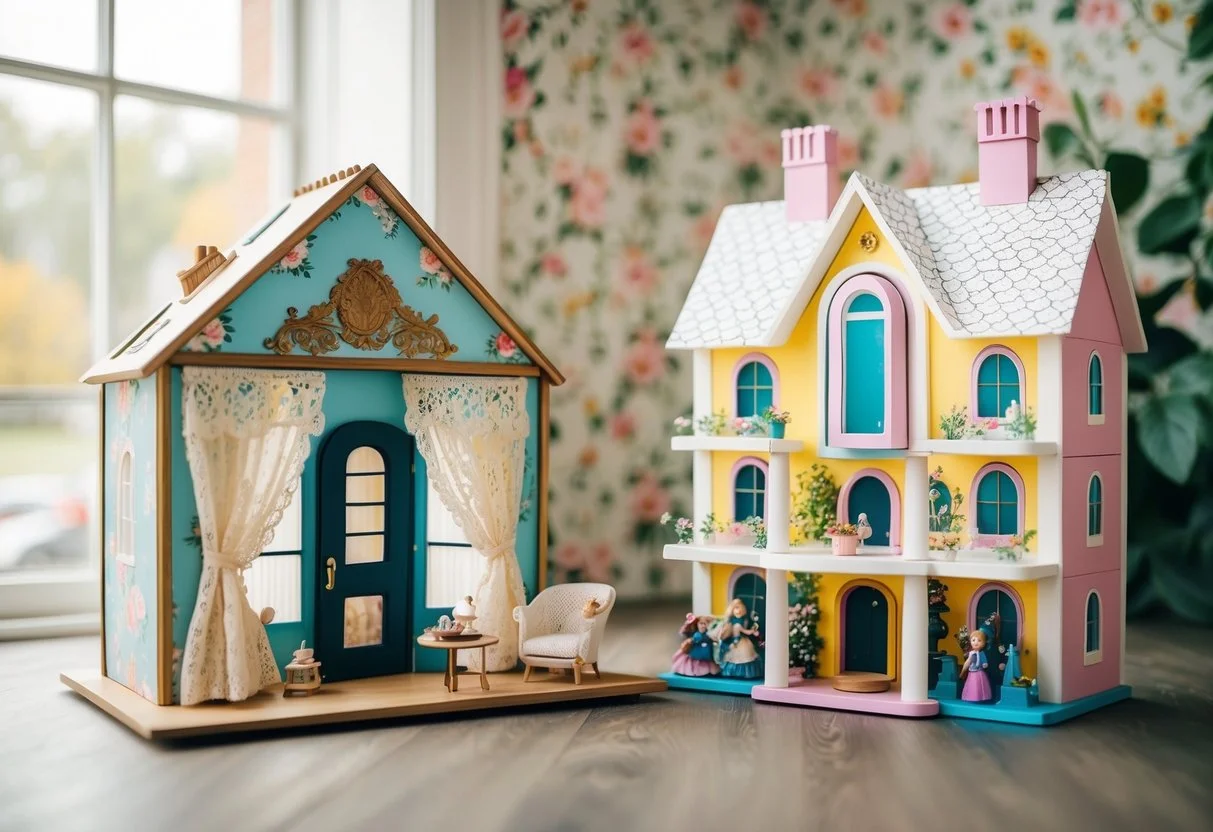
Dolls Houses allow builders to experiment with different decorative approaches without being restricted by the practical demands of decorating an actual home. One room might feature traditional furniture and patterned wallpaper, while another could use contemporary pieces and simpler finishes. Creators can explore styles that they admire even if those styles would never appear in their own homes.
Texture Creates Visual Depth
Scale is not the only factor that makes a miniature interior convincing. Texture plays an equally valuable role. Smooth painted walls, patterned flooring, miniature fabrics, wooden furniture, rugs, curtains, and decorative surfaces all interact to create depth.
Small differences in materials can prevent a room from looking flat. For example, combining fabric upholstery with wooden furniture and a textured floor gives the eye several surfaces to explore. These details become especially noticeable because viewers naturally examine miniature environments closely.
Carefully selected textures can also suggest the age and personality of a room. A polished interior might represent an elegant residence, while worn-looking surfaces can suggest a home with a longer imagined history.
Every Room Can Tell A Story
Storytelling often begins when creators move beyond simply making rooms attractive. A miniature dining table prepared for a meal immediately suggests activity. An open book beside a chair hints that someone has recently been reading. Toys scattered across a bedroom floor can imply the presence of a child without requiring any written explanation.
These small visual clues transform decoration into narrative. Instead of looking at isolated furniture, viewers begin imagining who lives there and what might be happening beyond the visible scene.
Creators can develop an entire household through these details. Different rooms may reveal personalities, routines, interests, and relationships. The story does not need to be formally written because the objects themselves provide clues.
Technical Skills Meet Creative Imagination
Miniature building also shares qualities with other forms of model making. Constructing Model Aircraft, for example, requires attention to scale, assembly, proportion, and finishing. Miniature houses use many similar technical principles but introduce additional opportunities for architecture, decoration, and domestic storytelling.
Skills can develop naturally from one project to another. Someone who becomes comfortable with careful painting may experiment with more detailed finishes. A builder who learns accurate assembly might eventually attempt more complex structural modifications or handmade furnishings.
Personalisation Makes Every Project Different
Perhaps the most interesting quality of miniature houses is that identical starting kits do not necessarily produce identical results. Individual decisions quickly change the character of a project.
One builder might create a Georgian-inspired residence filled with traditional furnishings. Another could transform a similar structure into a modern family home. Someone else might invent a fictional shop, holiday cottage, artist’s residence, or mysterious old house.
Personalisation can continue almost indefinitely. Furniture can be rearranged, wallpaper replaced, accessories collected, lighting introduced, and rooms redesigned as new ideas emerge.
A Creative World Built One Detail At A Time
The enduring appeal of miniature house building comes from the way several creative disciplines meet within one project. Construction provides the physical framework, interior design creates visual identity, and storytelling gives the rooms personality and meaning.
Most importantly, there is no single correct way to create a miniature world. Each choice, from the architecture to the smallest object on a table, contributes something to the finished scene. That freedom allows builders to develop practical skills while creating something distinctly personal, turning a small structure into a detailed world with a story of its own.