The post How Sales, Service, And Parts From Heavy Equipment Dealers Help Contractors appeared first on your news agent.
]]>Providing Appropriate Equipment With Skilled Sales Assistance
Helping contractors choose their equipment is one of the most beneficial things a heavy equipment dealer can do. It may be difficult for contractors to decide which models of the many excavators, loaders, compact machines, telehandlers, and other pieces of equipment on the market best suit their requirements. With their extensive industry experience, dealers assist consumers in comparing specifications, comprehending performance possibilities, and assessing long-term maintenance requirements, technological features, and fuel economy.
This knowledge guarantees that contractors purchase equipment appropriate to their project’s size, topography, and financial constraints. Additionally, dealers provide trade-in programs, rental alternatives, and financing choices, enabling contractors to grow their fleet without needless financial burden. A reputable heavy equipment dealer assists companies in making strategic choices that increase worksite dependability and production by providing individualized assistance.

Services For Equipment Repair And Maintenance That Cut Down On Downtime
Regular maintenance is necessary to keep even the most sophisticated technology operating at its best. Heavy equipment dealers are aware of how downtime may affect customer satisfaction, payroll, and project timelines. For this reason, they provide extensive service plans intended to maintain equipment performance.
Inspections, fluid tests, filter changes, and wear component assessments are examples of routine maintenance that assist in spotting any problems before they become expensive repairs. In order to ensure that repairs are completed accurately and promptly, many dealers often use certified technicians who have been trained to work on certain brands. By delivering repair capabilities right to the workplace, cutting down on transportation delays, and minimizing equipment disturbances, mobile service units further improve convenience.
Heavy equipment dealers assist contractors in increasing machine uptime, extending equipment lifetime, and safeguarding their investment by providing prompt and preventive maintenance.
Availability Of Dependable Parts For Quick And Effective Repairs
Having the appropriate components on hand is crucial to preventing prolonged downtime in large equipment. To guarantee that contractors can promptly get the parts required for repairs, upgrades, or preventative maintenance, heavy equipment dealers keep their parts departments well-stocked. Dealers have a large inventory that supports a variety of equipment kinds and models, ranging from hydraulic hoses and filters to electrical parts and undercarriage components.
Dealers have developed networks that enable quick ordering and shipment when specialized or unusual items are needed. In order to make the procurement process easier for busy contractors, several also provide online parts catalogs and pickup services. This availability guarantees that repairs may be completed quickly, allowing projects to proceed without expensive disruptions.
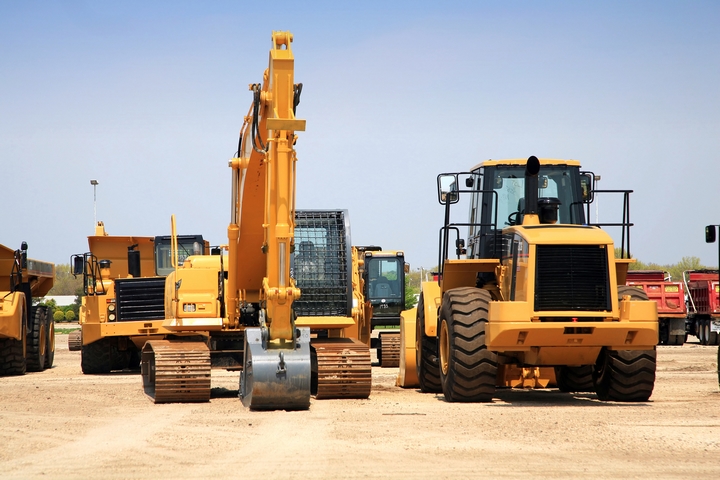
Technical Knowledge And Opportunities For Training
To assist contractors in operating gear effectively and safely, heavy equipment dealers often provide training materials in addition to sales and repair. Appropriate training lowers the chance of mishaps, guards against damage from overuse, and promotes increased productivity on the job site. For sophisticated systems like telematics or automated controls, some dealers provide technical training, equipment demos, and operator certification programs.
Dealers assist businesses in maximizing their equipment investment while preserving a safe working environment by arming contractors with information.
Conclusion
A trustworthy heavy equipment dealer is a long-term partner dedicated to helping contractors at every step of their business, not just a supplier. Dealers provide the resources required to keep equipment operating efficiently and projects progressing, from knowledgeable sales advice and flexible financing to reliable service programs and easily accessible parts. Contractors can operate with confidence knowing they have access to the tools, assistance, and knowledge needed to thrive in the cutthroat construction industry of today when they have a solid dealer connection.
The post How Sales, Service, And Parts From Heavy Equipment Dealers Help Contractors appeared first on your news agent.
]]>The post Auto Service Tips To Keep Your Car Running Smoothly Year-Round appeared first on your news agent.
]]>Owning a car is about more than getting from point A to point B—it’s about ensuring safety, reliability, and long-term performance. While many drivers focus on fueling up and the occasional wash, consistent auto service is what truly keeps a car running smoothly in every season. From routine inspections to seasonal adjustments, proper maintenance helps avoid costly breakdowns, extends the life of your vehicle, and ensures peace of mind behind the wheel. Many drivers rely on trusted auto parts and service in Aurora, Colorado to keep their vehicles operating efficiently through seasonal changes and everyday wear. Here are essential auto service tips to keep your car in top condition all year long.
Schedule Regular Oil Changes
Your car’s engine oil is its lifeline. It lubricates moving parts, reduces friction, and prevents overheating. Oil loses its usefulness as it degrades and is contaminated over time. Skipping oil changes can lead to poor performance and even engine damage.
To avoid this, follow your manufacturer’s recommendations—typically every 3,000 to 7,500 miles, depending on your car and the type of oil used. Regular oil changes ensure your engine runs efficiently and extends its overall lifespan.
Monitor Tire Health
Tires are your only point of contact with the road, making their condition critical for both performance and safety. Proper tire maintenance includes checking tread depth, rotating tires regularly, and ensuring correct air pressure. While worn treads diminish grip, particularly in rainy or snowy situations, underinflated tires reduce fuel economy.
Have your tires inspected during every service appointment and rotate them approximately every 6,000 to 8,000 miles. This simple step promotes even wear and maximizes their lifespan.
Keep An Eye On Brakes
Your braking system is one of the most vital components of your car. Squealing noises, vibrations, or longer stopping distances can all indicate worn brake pads or issues with the rotors. Ignoring these warning signs not only compromises safety but can lead to more expensive repairs.
Schedule routine brake inspections and replace parts when necessary. Maintaining a responsive braking system is essential for safe driving year-round.
Maintain The Battery
Car batteries don’t last forever, and extreme temperatures—both hot and cold—can shorten their life. A weak battery often gives signs like slow engine cranking or dimming headlights. Having your battery tested during seasonal checkups can prevent unexpected breakdowns.
If your battery is more than three years old, it’s wise to have it inspected regularly and replaced before it fails. A dependable battery ensures smooth starts, no matter the weather.
Pay Attention To Fluids
In addition to engine oil, your car also needs coolant, transmission fluid, brake fluid, and power steering fluid to function properly. Low or contaminated fluids can cause systems to fail, leading to costly repairs.
During regular service visits, have all fluid levels checked and topped off as needed. Replacing fluids at recommended intervals keeps your vehicle’s systems operating smoothly and efficiently.
Don’t Forget Seasonal Adjustments
Every season presents different difficulties for your car. In summer, heat can strain cooling systems and tires, while winter brings icy roads and battery stress. Preparing your car for seasonal changes ensures optimal performance year-round.
In winter, check your antifreeze levels, install winter tires if needed, and ensure wipers and defrosters work properly. In summer, test your air conditioning system, monitor tire pressure more frequently, and keep an eye on coolant levels to prevent overheating.
Replace Worn Wiper Blades
Safe driving requires visibility, and windshield wipers are more important than most drivers believe. Over time, blades wear down, leaving streaks or missing spots during rain or snow.
Replace your wiper blades at least once a year, or sooner if you notice reduced effectiveness. Clear visibility in all conditions is a simple but vital part of year-round car care.
Stick To A Maintenance Schedule
The best way to keep your car running smoothly is to stay consistent with your maintenance schedule. Refer to your vehicle’s owner’s manual for guidance and stick to it. Regular tune-ups, inspections, and timely repairs prevent minor issues from turning into major problems.
Keeping a log of your service history can also help you stay organized and provide proof of maintenance, which is especially useful when selling your car.
Conclusion
Year-round vehicle care is about more than reacting to problems—it’s about prevention. Regular auto maintenance makes your vehicle dependable, effective, and safe while driving. This includes anything from fluid checks and seasonal adjustments to brake inspections and oil changes. By following these simple tips and working with a trusted service provider, you not only extend the life of your vehicle but also gain peace of mind knowing your car is ready for whatever the road brings.
The post Auto Service Tips To Keep Your Car Running Smoothly Year-Round appeared first on your news agent.
]]>The post Essential Maintenance Tips For Long-Lasting Construction Equipment appeared first on your news agent.
]]>To extend the lifespan of your machines and protect your bottom line, here are some essential maintenance tips every construction equipment owner or operator should follow.
- Follow The Manufacturer’s Maintenance Schedule
Every piece of construction equipment comes with a manufacturer-recommended maintenance schedule that outlines when to inspect, service, or replace critical components. This schedule is designed based on operating hours and the machine’s unique specifications.
Ignoring or delaying scheduled maintenance may void warranties and lead to equipment failure. Make it a priority to track service intervals for each machine in your fleet and log every inspection, oil change, and replacement.
- Conduct Daily Pre-Operation Inspections
Before starting any machine for the day, operators should perform a thorough visual inspection. This simple habit can identify issues before they escalate into serious problems. Daily checks should include:
- Fluid levels (engine oil, coolant, hydraulic fluid).
- Tire pressure or track condition.
- Battery charge and terminals.
- Hydraulic lines and hoses for leaks or cracks.
- Wear on attachments and blades.
- Lights, alarms, and safety systems.
Encourage operators to report any abnormalities immediately so they can be addressed before operation.
- Keep Equipment Clean
Construction sites are dusty, muddy, and filled with debris—conditions that quickly build up on machines. While it may seem cosmetic, keeping your equipment clean is vital for long-term performance. Caked-on dirt can block filters, clog radiators, and conceal damage such as oil leaks or cracks.
Use pressure washers to clean exterior surfaces regularly and clear out engine compartments or undercarriages where buildup is common. A machine that is clean is less likely to overheat or break down and is also easier to inspect.
- Monitor Fluid Quality And Levels
Fluids are the lifeblood of your equipment. Engine oil, transmission fluid, brake fluid, and hydraulic oil play crucial roles in performance. Beyond just topping off levels, it’s important to check fluid quality—discolored or contaminated fluids can signal internal issues like wear or overheating.
Stick to recommended oil types and change intervals, and always use high-quality fluids. Also, keep an eye on coolant systems to prevent overheating and engine damage.
- Check Filters And Replace As Needed
Filters protect your equipment from harmful particles that can cause wear or system failure. Scheduled maintenance should include routine inspections and replacements of air, oil, fuel, and hydraulic filters.
Clogged filters force machines to work harder, which increases fuel consumption and decreases overall efficiency. A clean filter ensures better performance and reduces engine strain.
- Lubricate Moving Parts
Lubrication is essential for minimizing friction and wear on moving parts. Without proper lubrication, components like pins, bushings, and joints can seize or wear out prematurely. Regular greasing ensures smoother operation and extends the life of attachments and structural parts.
Use the recommended type and amount of grease, and pay special attention to high-use components. Some machines include auto-lube systems, but they should still be checked to confirm functionality.
- Train Operators On Proper Use
Even the most well-maintained machine can be damaged by poor operation. Training operators to use equipment correctly reduces unnecessary stress on parts and helps prevent avoidable wear.
Ensure operators know how to:
- Warm up machines before full operation.
- Avoid overloading or operating beyond design limits.
- Shut down machines properly at the end of the day.
- Recognize early signs of mechanical issues.
- Store Equipment Properly
When not in use, machines should be stored in a dry, secure environment. Exposure to extreme temperatures, rain, or UV rays can deteriorate components over time. Covering or sheltering equipment helps preserve paint, rubber seals, and electronics, especially during long idle periods.
Final Thoughts
Construction equipment is a major investment, and with the right care, it can deliver reliable service for years. By committing to regular inspections, timely servicing, and operator education, you can significantly extend the life of your machinery and avoid unexpected downtime. Treat your equipment well, and it will reward you with performance, safety, and long-term value.
The post Essential Maintenance Tips For Long-Lasting Construction Equipment appeared first on your news agent.
]]>The post Explained Car Charging Cables and Plugs appeared first on your news agent.
]]>It is often difficult to understand the differences between charging cables, plugs, and cables for electric cars. The variety of plugs, charging cables, and charging points available for electric cars means that there is more than one universal connector. They depend on where you live, your country, and what type of charging point you want to use.
Finding the right charger cable can be challenging because of all the available options. Learn more about the differences between electric car charger cables and plugs to ensure you can charge safely wherever you go.
What Is an Electric Car Charging Plug?
A charging plug is a connector inserted into an electric vehicle’s charging socket. Like how plugs of appliances vary depending on their country, charging sockets or plugs can also differ depending on vehicle brands, charging levels, and countries they are made.
What’s An Electric Car Charging Cable?
While some charging points come with cables and others require that you bring yours, charging cables will be essential in charging your electric Car. They connect your vehicle to the charging point.
There are four kinds of charging cables or models. Each is meant to be used for a specific type. It can get confused as the mode may not correspond to the charging level. We will discuss the differences in Mode 1, Mode 2, Mode 3, and 4 charging cables. This will help you decide which type of charging is most appropriate.
Types and Types of Charging Cables for Electric Cars
Mode 1 Charging Cables
You can connect your electric Car using a Mode 1 cable to any standard AC socket outlet. It is impossible to communicate between the vehicle’s charging point and the vehicle. This results in no shock protection or safety systems.
This charging method is used to charge light electric vehicles, such as e-bikes/scooters. However, it is not suitable for electric cars. It is also prohibited in many places around the world.
Mode 2 Charging Cables
You will often receive a Mode-2 charging cable when you buy an electric vehicle. These cables plug into your Car and a standard household socket on the opposite end. In-Cable Control and Protection Device – The cable comes with an In-Cable Control and Protection Device. This device is responsible for controlling and communicating between the standard wall socket and your electric Car, as well as protecting it.
Mode 3 Charging Cables
Mode 3 cables, used to charge electric cars worldwide, are currently the most frequently used. This type connects your vehicle and a dedicated electric vehicle charging point. They can be found in office buildings, homes, residential areas, and commercial and public parking lots. These cables manage the control, communication, protection, and control of the charging process. They connect to type 2 to type 2 cable.
Mode 4 Charging Cables
The first three modes supply AC power converted to DC via an onboard AC/DC adapter. Mode 4 stands apart. Mode 4 charging cables can be used to charge DC batteries. The power is converted before it goes to the vehicle.
The post Explained Car Charging Cables and Plugs appeared first on your news agent.
]]>